

Enter our Virtual Gallery of
Quartz Mineral Specimens (natural rock crystal)
MINERALMINERS.COM®- Your Personal 'Link' Direct to the Quartz Mines!TM
Links To Our Quartz Info Topics On This Page:
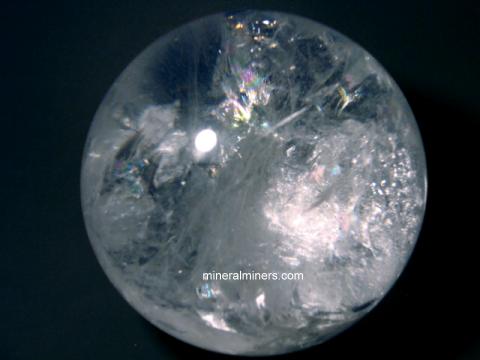
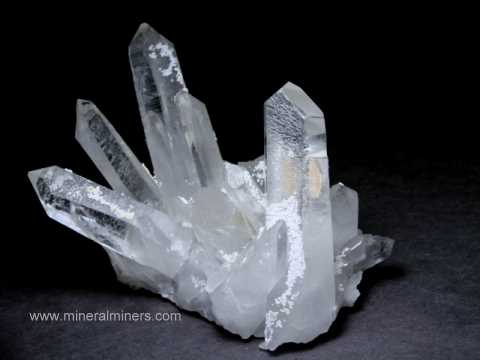
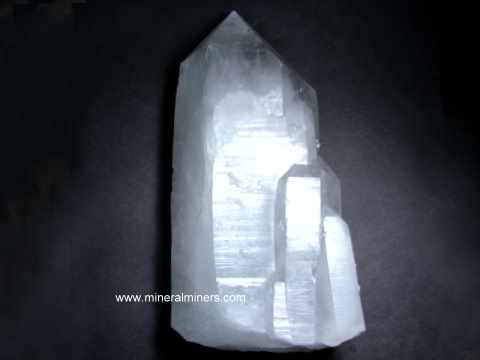
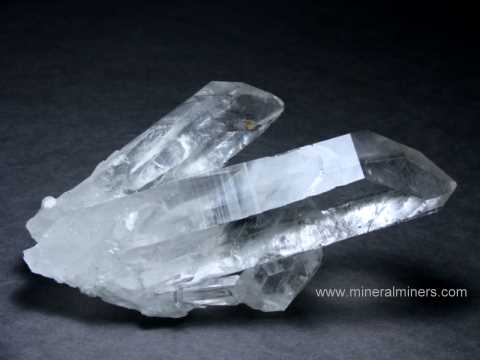
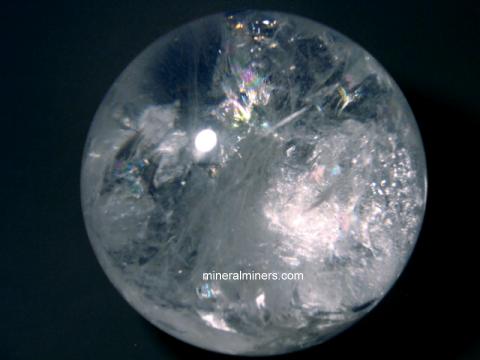
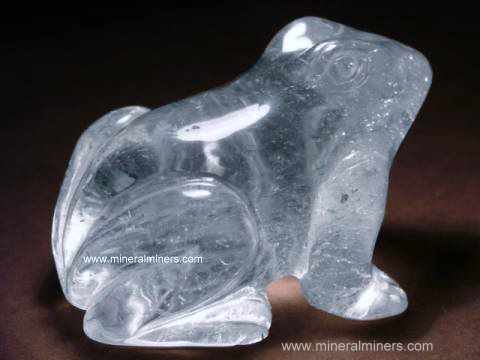
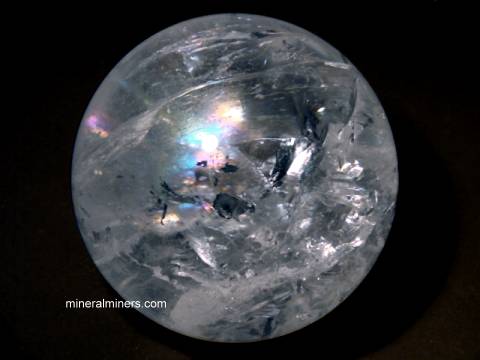
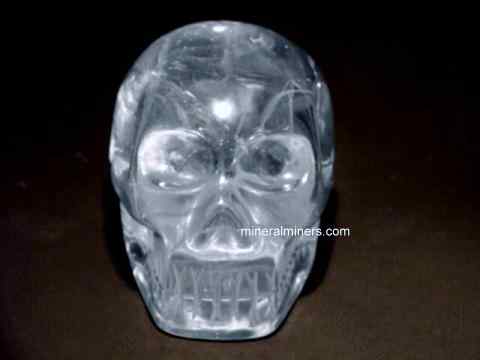
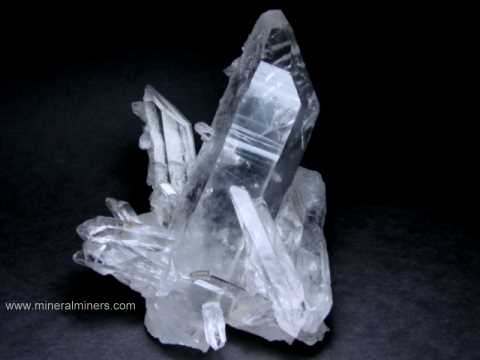
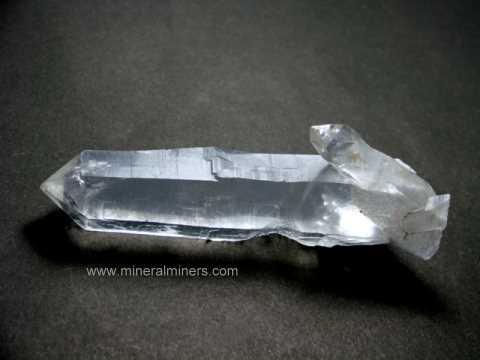
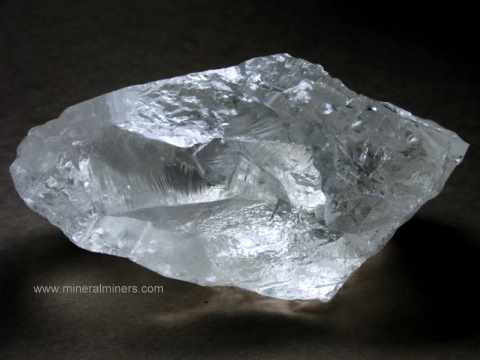
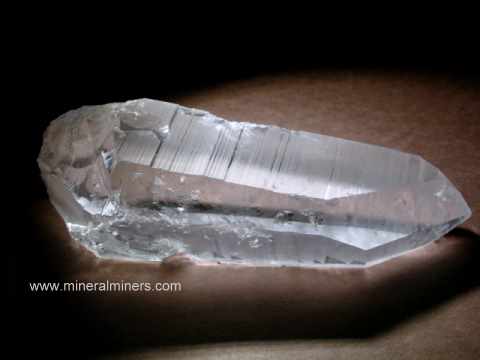
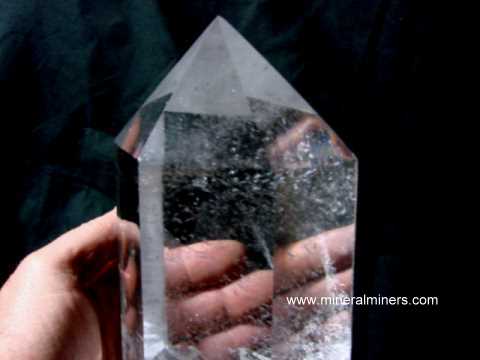
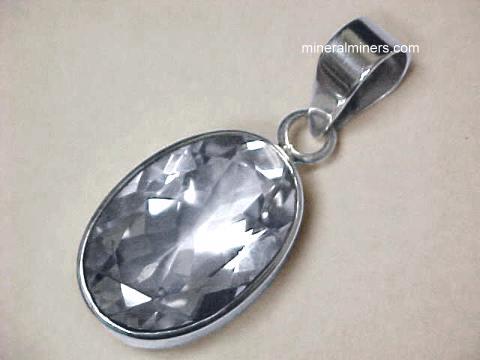
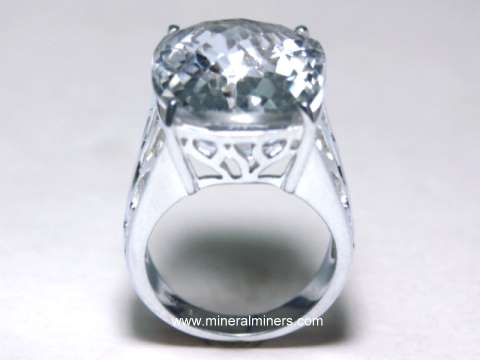
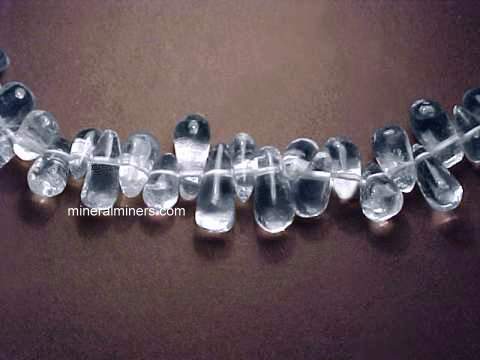
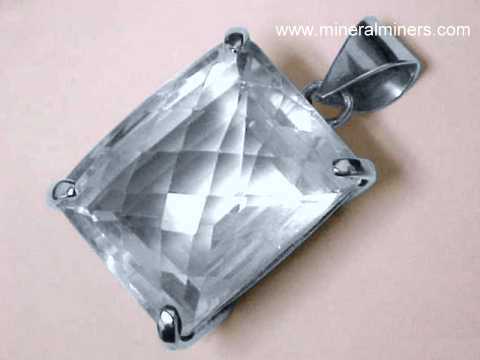
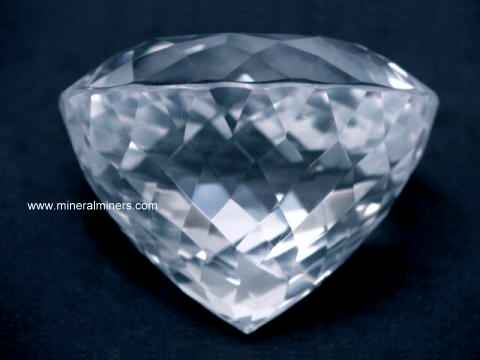
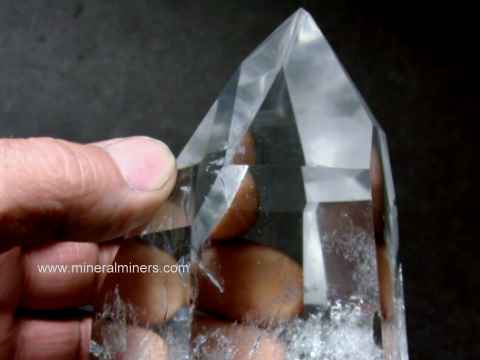
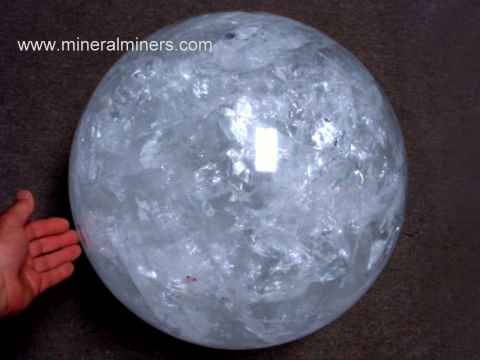
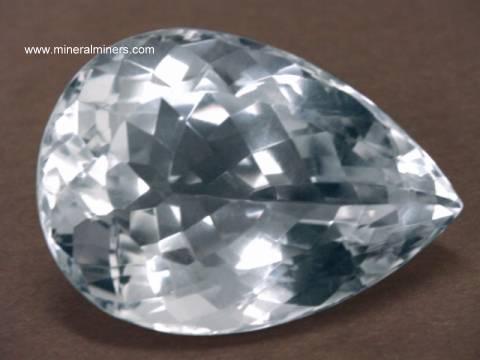
Rock Crystal is the transparent colorless variety of quartz. It is commonly known as quartz crystal.
To see photos of another mineral variety, select any link from our Mineral Inventory & Factsheet Index.
|
 |
 |
 |
 |
 |
 |
 |
 |
 |
 |
 |
 |
 |
 |
 |
 |
 |
 |
 |
 |
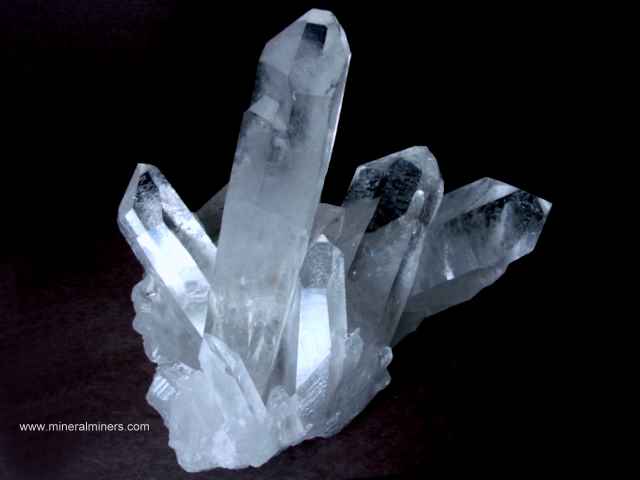
Quartz (SiO2) is the most abundant single mineral on earth. It makes up about 12% of the earth's crust, occurring in a wide variety of igneous, metamorphic and sedimentary rocks.
Quartz varieties are commonly separated into two groups based on the size of the individual grains or crystals; macrocrystalline quartz in which individual quartz crystals are distinguishable with the naked eye, and cryptocrystalline quartz in which the individual quartz crystals are too small to be easily distinguishable under the light microscope.
Some of the macrocrystalline varieties of quartz are: are actually quartzites. Quartzite is a rock, not a mineral. It is composed essentially of interlocking macrocrystalline quartz grains with disseminated grains of other color imparting minerals.
The cryptocrystalline varieties of quartz may be separated into two types;
fibrous and microgranular. Chalcedony is the general term
applied to the fibrous cryptocrystalline varieties.
Agate is an example of a fibrous cryptocystalline
banded chalcedony variety of quartz. Carnelian, Chrysoprase and bloodstone
are other chalcedony varieties.
Chert is the general term applied to the granular cryptocrystalline
varieties of quartz, of which flint and Jasper are examples.
Opal is a hydrous silica mineral composed of SiO2 with some water incorporated within its structure.
Coarsely crystalline quartz is common in many igneous rocks
and is an essential constituent in adamellites, alaskites, granites, granodiorites,
quartz diorites and other similar acidic plutonic igneous rocks.
It is a major constituent in granitic pegmatites where it can form as masses
in the core of the pegmatite or intergrown with potassium feldspar (usually
microcline) as
graphic granite in the outer pegmatite zones.
Massive quartz veins are deposited by
ascending hydrothermal solutions, often forming metaliferous ore deposits.
Quartz veins can also be formed by
metamorphic processes such as the recrystalization of magnesite from
serpentine thereby releasing silica. Open cavities in pegmatites and veins
often contain quartz crystals. Because of crystalline quartz's
mechanical and chemical stability, it endures as detrital grains and
accumulates as sand and pebbles when quartz bearing rocks break down,
leading to the
formation of sandstones and their metamorphic equivalents
quartzites. Most metamorphic rocks contain quartz
either recrystallized or unchanged from the original rock.
Secondary quartz
crystals, usually as rock crystal, smoky quartz or amethyst, can form on cryptocrystalline
quartz in cavities and vugs thereby forming geodes.
The cryptocrystalline varieties of quartz (crystals too small to be distinguished under the
light microscope) are separated into two types:
fibrous and microgranular. Chalcedony is the general term
applied to fibrous cryptocrystalline varieties. It forms by deposition
from meteoric groundwater or late hydrothermal solutions at or near the
earth's surface, and is frequently found lining or filling cavities in rocks.
Agate is an example of a fibrous cryptocystalline
banded chalcedony variety of quartz. Carnelian, chrysoprase and bloodstone
are other chalcedony varieties.
Chert is the general term applied to the microgranular varieties of quartz.
It is thought to form by the replacement of calcareous rock by silica-rich
solutions, or by direct marine precipitation of silica gel or organic silica.
Jasper is an example of a granular microcrystalline
chert variety of quartz. Jasper's typical reddish brown color is due to
hematite impurities.
Quartz crystals are recognized by their crystal habit, striations, hardness, glassy luster, conchoidal fracture, occurance and general lack of cleavage. Cryptocrystalline varieties are characterized by their hardness, conchoidal fracture, occurance, specific gravity, refractive index and vitreous to greasy luster.
The gem varieties of quartz have been used as gemstones and other ornamental objects for thousands of years. Polished rock crystal spheres or crystal balls were used as a means of divination or scrying in medieval times. For thousands of years before this, quartz crystals and objects made from them were used for divination, disease diagnosis and for awareness of current events in distant places in many ancient cultures.
Flint firemaking tools have been found dating back to the neolithic era. Chipped flint projectile points dating back 40,000 years have been discovered in Mousterian sites in western Europe. Some of the earliest primitive stone tools (axes) fashioned by man's ancestors 2.5 million years ago in the Omo valley in Ethiopia, were made of quartz varieties such as chalcedony, agate, quartzite, flint and chert. These materials were used because of their hardness and their isotropic brittleness which made it possible to shape the tools with relative ease.
Quartz is used today in the manufacture of abrasives, concrete, cements,
porcelain, paints and glass. It is also used as a chemical raw ingredient
in the manufacture of numerous industrial materials. As quartzite and
sandstone it is used as a building material. Untwinned rock crystal quartz is made into lenses and
prisms for optical instruments. Due to its piezoelectric properties, it is
used as a radio oscillator to control
transmission and reception on fixed frequencies. This same property is utilized
in watches and clocks where a tiny quartz plate is used to control
precisely the radio frequency of the electronic circuitry, thus telling the
exact time.
The name quartz comes from a Saxon word meaning cross vein ore.
Each variety of quartz has its own metaphysical characteristics
and properties. For example:
Rock crystal is considered to be the most usefull and versatile crystal
for metaphysical purposes, usable in both its natural state as quartz crystals and also in a variety
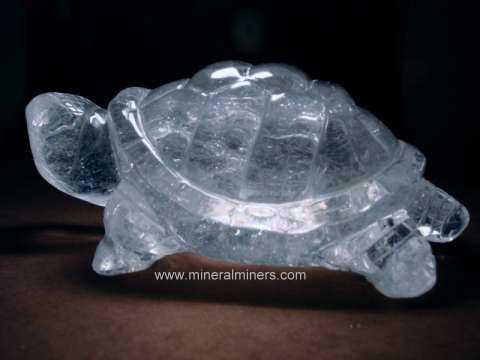
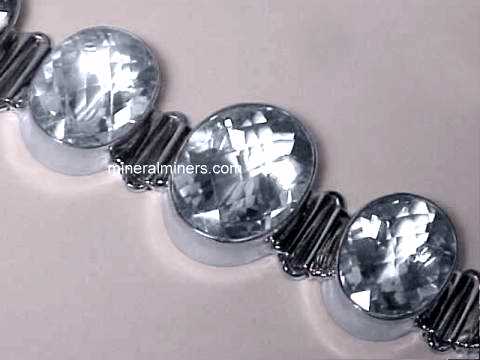
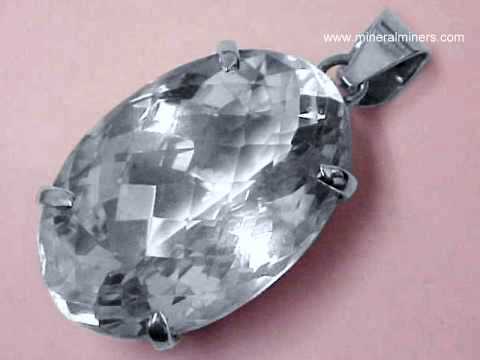
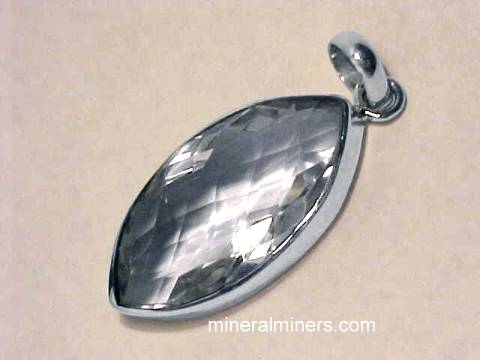
of sculpted and polished items such as quartz crystal carvings, crystal balls and crystal skulls. Other handcrafted quartz crystal objects that are popular for metaphysical use include quartz crystal gemstones and polished quartz crystals.
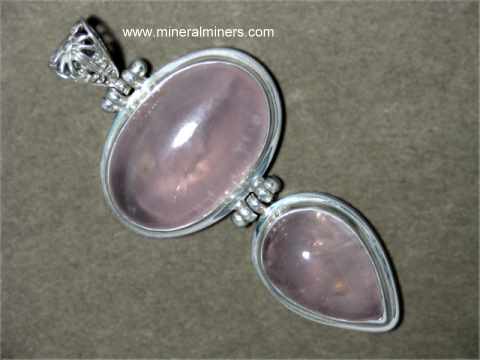
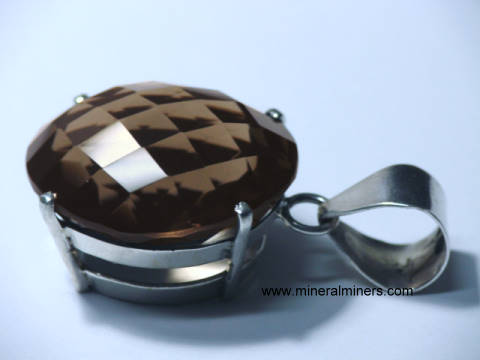
May people also like to wear quartz crystal jewelry items for metaphysical reasons.
Rock crystal is said to stimulate mental clarity, emotional stability and to facilitate and focus meditative states. It is also said to stimulate positive thoughts and feelings, and to amplify psychic abilities. Rock crystal is said to help remove toxins from the body and to help treat disorders of the digestive system, kidneys and bladder. It also is said to be helpfull in treating a number of other ailments including pituitary gland disorders and skin, circulatory system and respiratory system disorders.
Rutile is said to intensify the metaphysical properties of its host quartz
crystal (see the metaphysical properties of rock crystal
or smoky quartz).
Rutilated quartz is also said to
enhance one's understanding in difficult situations, thus facilitating timely
and appropriate solutions. It is also said to relieve depression and
loneliness, and to help provide new direction and enhance creativity.
Wearing smoky quartz jewelry is said to alleviate stress and transform fear, anger and other negative emotions into positive energies, thus having a comforting and calming effect. It is also said to provide clarity of thought, improve intuition and enhance survival instincts, and to stimulate higher awareness in meditative states.
Amethyst Crystals are said to bring serenity and calm, to enhance one's ability to assimilate new ideas, and to assist during meditation. Amethyst is also said to give strength and mental stability, and to provide balance between one's physical, emotional, intellectual states. Wearing amethyst jewelry is also said to make one shrewd in business matters.
Blue aventurine quartz is said to provide patience, eliminate stubbornness, control excitability, and to give a deeper understanding of the cause and effect in situations thus allowing one to more fully understand and to find the optimum solution.
Holding citrine crystals or using citrine jewelry is said to be especially usefull in stimulating one's mental capacities, enhancing creativity & intuition and bolstering one's self-confidence. It is also said to give emotional control while making one more alert. Citrine is also said to be very helpfull in assisting one to acquire and maintain wealth.
For more in depth metaphysical information and for info on additional quartz varieties, please see our information pages for each quartz variety such as amethyst, elestial quartz or rock crystal for their unique metaphysical properties.For more in-depth metaphysical information, see our Metaphysical Books section.